Psychological effects of chronic pain go far beyond physical discomfort and affect how a person thinks, feels, and lives daily life. Living with chronic pain isn’t just a physical challenge it often becomes a psychological rollercoaster filled with stress, anxiety, and emotional exhaustion. Over time, pain that starts in the body slowly creeps into thoughts, emotions, relationships, and even self-worth, making everyday life much harder than it appears from the outside.
Psychological Effects of Chronic Pain on Mental Health
The psychological effects of chronic pain often build slowly, making people underestimate their emotional impact until daily life becomes difficult. Let’s get straight to it. As a result, chronic pain can impact your::
- Mood (hello anxiety and depression)
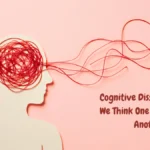
- Cognitive function (memory and focus, where did you go?)
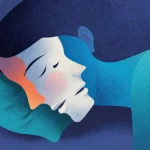
- Sleep (counting sheep doesn’t help when your back is throbbing)
- Social life (saying no to plans becomes the new normal)
- Self-esteem (feeling “broken” even when you’re doing your best)
A Real Story: Sarah’s Silent Battle
Sarah, a lively 32-year-old teacher, had a car accident that led to nerve damage in her leg. “At first, I thought I just needed rest,” she said. “But as weeks turned to months, and the pain stayed, I began to feel like a prisoner in my own body. I avoided friends, lost my passion for teaching, and couldn’t remember the last time I had a full night of sleep.”
Unfortunately, Sarah’s story is all too common. The invisible weight of chronic pain can feel heavier than the pain itself.
Psychological Effects of Chronic Pain and the Mind–Body Connection
In reality, it’s a two-way street. Just as chronic pain affects your mind, your mental state can also worsen the pain. Stress, anxiety, and even past trauma can amplify how we perceive pain.
Interestingly, ever noticed how pain feels worse on a bad day? That’s not your imagination. Psychological factors like:
- Fear of movement (also called kinesiophobia)
- Catastrophizing (thinking, “This pain will never go away!”)
- Low mood
- Social isolation
All of these can contribute to how severe pain feels and how long it lingers.
How Thoughts Influence Chronic Pain Psychological Effects
John, a former athlete, shared: “I was diagnosed with chronic back pain after a sports injury. But what really made it worse was my fear. I thought if I moved wrong, I’d be paralyzed. I stopped going to the gym, gained weight, and honestly, I got depressed. Only after starting therapy did I realize how much my thoughts were feeding my pain.”
As a result, this is a classic example of the mind-body loop. Pain triggers fear, fear leads to tension, tension worsens pain. And the loop continues… until we break it.
Psychological Effects of Chronic Pain in Long-Term Conditions
Chronic conditions like arthritis, fibromyalgia, or migraines come with more than just physical symptoms. Consequently, over time, living with these conditions can lead to:
- Emotional exhaustion
- Loss of identity (especially if your job or hobbies are affected)
- Increased irritability
- Social withdrawal
- Sense of hopelessness
A Shared Story: Maria and the Mask of Strength
Maria, a 45-year-old mother of two, lives with fibromyalgia. “People often say, ‘But you look fine!’ And I smile. Because I’m tired of explaining the pain. I want to be strong for my kids, but some days, just getting out of bed is a win.”
Her story highlights the emotional toll chronic conditions take—often behind closed doors.
Relatable Example: The Everyday Impact
Think about Mark, a young software engineer. Sitting for long hours used to be no problem. But after developing chronic neck pain, even typing became a struggle. He started missing deadlines, which stressed him out more. That stress triggered more pain—and suddenly, he felt like he was constantly failing.
Or Lisa, a college student with endometriosis. She’d cancel plans with friends last-minute and get labeled as “unreliable.” Eventually, she just stopped making plans. The loneliness became worse than the cramps.
In other words, these stories aren’t dramatic they’re everyday realities many people face silently.
What is the psychological model of chronic pain?
Psychologists often use the biopsychosocial model to understand chronic pain. This model says that pain isn’t just about what’s happening in your body. It’s a mix of:
- Biological factors (injury, inflammation)
- Psychological factors (thoughts, emotions, behaviors)
- Social factors (support, work, relationships)
This model is important because it gives hope. If pain is influenced by thoughts and behaviors, then change is possible!
Coping Strategies for Psychological Effects of Chronic Pain
If you or someone you love is living with chronic pain, here are a few research-backed ways to manage its psychological impact:
Cognitive Behavioral Therapy (CBT)
Helps identify and challenge negative thoughts about pain. Think of it as decluttering your mental attic.
Mindfulness and Meditation
You don’t have to be a monk. Just 10 minutes of focused breathing can calm the nervous system.
Movement and Gentle Exercise
Yoga, walking, or swimming. Movement releases endorphins (natural painkillers!) and improves mood.
Social Support
Don’t go it alone. Talk to friends, join support groups, or even online communities.
Professional Help
Seeing a psychologist or pain specialist can make a world of difference.
Journaling
Yes, good ol’ pen and paper. Writing about your pain and emotions can offer insights and emotional release.
Keep It Real: Honesty and Transparency Matter
Let’s be honest. Chronic pain is exhausting, confusing, and yes, frustrating. But pretending it’s “not a big deal” doesn’t help anyone. The more we openly talk about it—our bad days, fears, and even embarrassing moments—the more we build a compassionate world.
Being transparent about your struggles can even deepen relationships. It’s okay to say, “Hey, today I’m not okay.”

Final Thoughts on the Psychological Effects of Chronic Pain
Understanding the psychological effects of chronic pain helps people feel validated, supported, and more hopeful about long-term recovery. Whether you’ve been battling chronic pain for years or it’s a recent development, know this: your pain is real. Your experiences matter. And while the journey may be long, it’s not hopeless.
Pain may be part of your story, but it’s not the whole story. Like Sarah, John, Maria, Mark, and Lisa, your courage in facing pain makes you a quiet warrior.
If this article resonated with you—or if you’ve got your own story to share—I’d love to hear it. Let’s create a space where people can talk honestly, support each other, and yes, even laugh a little along the way.