Diet for Mental Health: Foods That Boost Mood & Brain
Introduction
Diet for Mental Health plays a crucial role in overall well-being, especially in today’s hectic world. People are increasingly looking for ways to support their mental health, and one of the most effective—yet often overlooked—factors is the food we eat. A balanced diet not only fuels the brain but also helps regulate mood, improve cognitive function, and reduce the risk of conditions like anxiety and depression. Moreover, understanding the close connection between nutrition and mental wellness can empower you to make choices that benefit both your mind and body.
How Diet Affects Mental Health and Brain Function
About 20% of the body’s energy is used by the brain, making it an energy-intensive organ. Therefore, to perform at its best, it needs a steady flow of nutrients. In addition, the brain receives the vital vitamins, minerals, and other nutrients required for memory, emotional stability, and cognitive processes when the diet is well-balanced. Following a proper diet for mental health ensures the brain receives the nutrients it needs daily.
Key Nutrients for Mental Health and Wellness
The Fatty Acids Omega-3
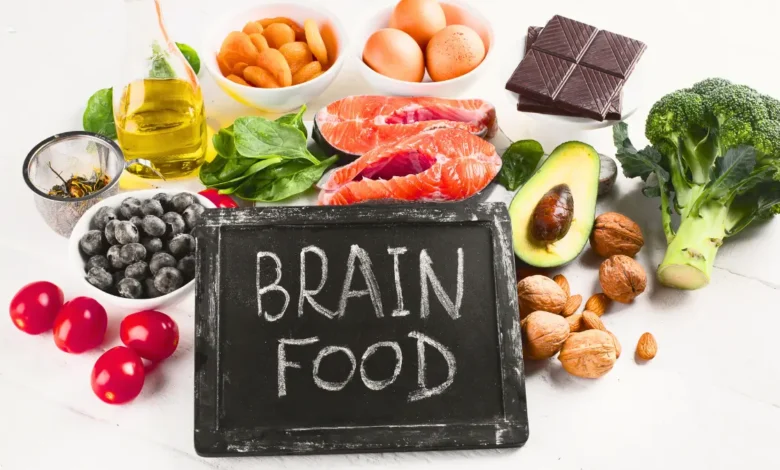
he brain needs omega-3 fatty acids, which are present in walnuts, flaxseeds, and fatty fish. They lessen inflammation, enhance mood stability, and boost brain cell activity. For example, research indicates that those with reduced omega-3 levels are more likely to experience anxiety and sadness.
B vitamins
Folate, B6, and B12 are among the B vitamins that are necessary for the synthesis of neurotransmitters. Cognitive deterioration, anger, and sadness are associated with vitamin deficiencies. Similarly, whole grains, dairy products, eggs, and leafy greens are foods high in B vitamins.
Vitamin D
Sometimes referred to as the “sunshine vitamin,” vitamin D is essential for mood control. Seasonal affective disorder (SAD) and depression have been linked to low vitamin D levels. In contrast, good sources include exposure to sunlight, fortified dairy products, and fatty seafood.
Antioxidants
Antioxidants like flavonoids, vitamin C, and vitamin E help shield brain cells from oxidative damage. Antioxidants, which lower the risk of neurodegenerative illnesses and enhance mental clarity, are abundant in berries, citrus fruits, nuts, and green tea. Moreover, they play a crucial role in protecting brain function over time.
The element magnesium
Magnesium is well recognized for its ability to soothe the neurological system. It enhances sleep quality, lowers stress, and supports brain function. Foods high in magnesium include leafy greens, nuts, seeds, and dark chocolate. As a result, magnesium contributes significantly to mental stability.
Amino Acids and Protein
The amino acids required for the synthesis of neurotransmitters are found in proteins. Tryptophan is a precursor to serotonin, the “feel-good” hormone, and can be found in turkey, dairy products, and nuts. Therefore, eating enough protein preserves emotional equilibrium and mental clarity.
The Link Between the Gut and the Brain
The gut-brain connection is highlighted by recent research, which emphasizes how gut health has a major impact on mental wellness. A group of helpful bacteria called the gut microbiome is essential for the synthesis of neurotransmitters like dopamine and serotonin. Consequently, Inflammation brought on by an unhealthy gut can impair brain function. Meanwhile, maintaining gut health has been shown to improve mood and cognitive performance.
Foods That Harm Your Mental Health
Probiotics: Fermented foods, kefir, kimchi, and yogurt all help to maintain good gut flora.
Prebiotics: Foods that support intestinal flora include garlic, onions, and bananas.
Whole grains, legumes, and vegetables are examples of foods high in fiber that support gut health and lower inflammation.
Therefore, emotion, stress, and mental clarity can all improve by eating a balanced diet that promotes gut health.
Foods That Are Bad for Mental Health
While some meals can help people feel better, others can worsen mental health issues. Unhealthy fats, processed meals, and too much sugar have all been linked to higher incidences of anxiety and depression. On the other hand, making better food choices can reduce these risks. Ignoring a proper diet for mental health can worsen mood and cognitive function
Sugar and Carbohydrate Refinements
Consuming a lot of sugar raises blood sugar levels, which can result in mood changes, irritability, and exhaustion. Instead, choose whole foods with lower sugar content.
Food Processes and Trans Fats
Processed snacks, fried foods, and fast food contain bad fats that impair brain function and cause inflammation. Similarly, these foods contribute to overall poor mental health.
Alcohol and Coffee
A moderate amount of caffeine may increase alertness, but too much of it might cause anxiety and disrupt sleep. As a depressive, alcohol can exacerbate mood disorders. Furthermore, limiting these substances helps stabilize mood.
Hydration’s Impact on Mental Health
The brain needs water to function properly. Headaches, exhaustion, and trouble focusing can result from dehydration. Therefore, drinking enough water each day ensures proper neurotransmitter activity and cognitive functioning. In addition, hydration helps maintain emotional balance.
Food Habits for Improved Mental Health
Certain food habits can have a big effect on mental health. Among the most successful diets are:
Mediterranean Diet
This diet, which is high in fruits, vegetables, whole grains, nuts, and olive oil, lowers the risk of depression and promotes brain function.
Diet DASH
The DASH diet, which was first created for heart health, promotes improved mental clarity by emphasizing whole foods, lean proteins, and healthy fats.
Plant-Based
Nutrition Inflammation is decreased and cognitive function is supported by a diet rich in plant-based foods and low in processed foods.
Additionally, practicing mindful eating improves digestion and mental clarity.
Useful Advice for Using Nutrition to Improve Mental Health
Consume a Range of Whole Foods: To promote brain health, include a variety of nutrient-dense foods in your diet.
Cut back on sugar and processed foods to avoid mood swings and mental haze.
Maintain Hydration: For improved cognitive performance, sip on adequate water throughout the day.
Include Healthy Fats: Include omega-3 and healthy fat sources in your meals.
Control Meal Timing: Eating well-balanced meals on a regular basis will help you feel happier and have more energy.
Practice Mindful Eating: Improving digestion and mental clarity can be achieved by paying attention to what and when you eat.
Conclusion
There is no denying the link between diet for mental health and overall well-being. A balanced diet full of vital nutrients can lower the risk of mental health issues, boost mood, and improve brain function. By making mindful dietary choices, you can enhance both your mental and physical health. Ultimately, even small changes in your diet can make a significant difference in your happiness and mental wellness.